What Is Song Gong? A Gentle Guide to Softness, Healing, and the Foundations of Tai Chi Qigong
Song gong is one of the quiet foundations of tai chi qigong. It looks simple, yet it reshapes how your body moves, breathes, and heals. Many people think it means “relaxation,” but the truth goes deeper. Song gong trains your body to release tension without losing structure. As a result, your movements feel softer, steadier, and more alive.
This post will guide you through what song gong is, why it matters, and how it supports chi circulation in your daily life. It will also show how song gong prepares you for deeper tai chi qigong practice. Later, you’ll find a preview of the five exercises I teach in my upcoming course.
Let’s begin.
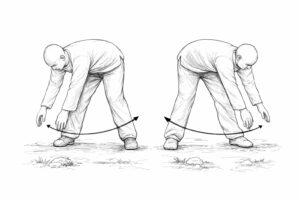
What Song Gong Is — and How It Differs from Fang Song
Song gong is the art of softening your body without losing strength. It teaches you to release tension in a natural, safe way so your joints open and your breath deepens. Many people translate song as “relax.” However, song is neither limp nor passive. It is a softness that supports your structure, helping your body feel grounded and light at the same time.
Fang song is the state of softness you want to feel. Whereas song gong is the training that teaches your body how to reach that state. Fang song feels open and steady; in contrast, song gong gives you the method to build it through slow, mindful practice. Think of fang song as the destination, whereas song gong is the path.
Why Song Gong Matters — Softness, Healing, and Lifeforce Flow
Song gong sits at the heart of tai chi qigong because it gives your body the softness it needs to move with ease. When you soften in the right way, your joints open, your breath deepens, and your movements become smoother and more connected. This whole‑body integration is therefore, what makes tai chi qigong feel fluid and alive.
Softening also supports your wellness. As your nervous system calms, your muscles also release their grip and your breath slows. Chronic tension begins to ease, circulation improves, and as a consequence, your intrinsic lifeforce energy can move more freely.
Thus, over time, many people feel less pain, more clarity, and better mobility. Hence, song gong becomes a powerful tool for long‑term wellness, teaching your body how to soften and restore itself from the inside out.
What Song Gong Feels Like in the Body
Song gong creates a feeling that is soft, steady, and alive. At first, the changes are small: your muscles loosen, your joints open, and your breath slows. Gradually, your whole body begins to settle. This softness does not feel weak—it feels warm and supportive. Your weight drops into the ground as your spine lengthens, and your movements feel smoother and more connected.
Overall, many people notice a gentle internal flow—warmth, tingling, or a light sense of movement. This is your intrinsic chi beginning to circulate with ease. With time, this feeling becomes familiar and shows up in daily life.
Common Mistakes People Make
Because song gong feels simple, people often try to do too much. The most common mistakes include:
- Over‑relaxing, which collapses posture and tightens the lower back
- Forcing softness, which creates more tension
- Adding extra movements, which interrupts natural release
Therefore, song gong works best when you keep things simple—one cue at a time.
A Gentle Preview of the Five Song Gong Exercises
In my upcoming course, I teach five core exercises that help your body soften from the inside out. Each one builds a different layer of softness, stability, and flow. Here is a brief preview:
- Loosening the Shoulders and Arms — Helps your shoulders soften so chi can circulate without resistance.
- Softening the Waist and Hips — Loosens the waist and hips for whole‑body connection.
- Opening the Upper Back and Chest — Releases tension across the upper back and supports spiraling.
- Building Soft Strength in the Legs — Trains your legs to support you without tension.
- Releasing the Upper Torso — Uses gravity to loosen the shoulders and upper back and calm the system.
How to Begin Practicing Song Gong Today
You can begin song gong with a few simple cues:.
- Stand with your feet shoulder‑width apart and soften your knees.
- Let your breath settle low in your belly.
- Allow your shoulders to drop naturally.
- Let your weight sink into the ground as your spine lengthens.
Briefly, these small steps create the foundation for deeper practice. You’ll also find sampler movements on my website to help you get started.
A Gentle Invitation to Continue Your Practice
All in all, song gong is a practice that grows with you. Each time you soften, your body learns something new. Over time, these small shifts create real change.
If this post resonates with you, I invite you to keep exploring. You can return to my website anytime to read new posts, learn simple movements, and deepen your understanding of tai chi qigong. You can also explore my e‑courses whenever you feel ready. They offer clear instruction, step‑by‑step support, and a deeper look at the five core exercises.
You can also explore my e‑courses whenever you feel ready. They offer clear instruction, step‑by‑step support, and a deeper look at the five core song gong exercises. Everything is designed to help your body soften safely and naturally, at your own pace.
For now, take one breath. Take one small movement. Let your body settle. This is how song gong begins—one breath, one movement at a time.

You might be interested in:
- Tai Chi Qigong for Relaxation: A Guide to Letting Go
- Free sampler course Shuai Jiao Course
- Free sampler course Song Jian Gong
- Five Song Gong Exercise Foundational Course