Aligning with TCM — Post 4
Support organ health and chi flow through tai chi qigong — gentle movements that activate meridians, balance energy, and restore inner harmony.
Tai chi qigong’s strongest alignment with Traditional Chinese Medicine lies in its ability to enhance meridian and organ function.
Meridians are invisible channels throughout the body that function like highways for chi energy flow. These interconnected pathways link various organs and bodily functions. Chi represents the vital energy that gives life to the body, and balanced circulation of this energy is essential for health and well-being.
TCM identifies 12 main meridians, each associated with specific organs or functions: Lung (respiration, skin), Large Intestine (elimination, detoxification), Stomach (digestion, nutrient absorption), Spleen (nutrient transformation, blood production), Heart (blood circulation, mental activity), Small Intestine (nutrient absorption and separation).
The remaining meridians include Bladder (urine storage and excretion), Kidney (chi energy, reproduction, fluid balance), Pericardium (heart protection, circulation), Triple Burner/San Jiao (temperature regulation, fluid metabolism), Gallbladder (decision-making, bile storage), and Liver (detoxification, blood storage, emotional balance).
These interconnected meridians form a network through which the lifeforce energy circulates. In TCM, health depends on maintaining balanced chi flow throughout this system.
Tai chi qigong promotes meridian and organ function in several important ways:
Promoting Chi Circulation
The slow, gentle movements stimulate chi flow along meridians by loosening tight muscles and connective tissues that might impede circulation. Essentially, like a gentle massage, these movements stimulate meridians and unblock stagnation.
Furthermore, the rhythmic movement improves blood circulation. Because blood carries chi energy, this directly supports overall energy circulation. Additionally, the movements stimulate the lymphatic system, helping remove toxins and waste products.
Many tai chi qigong movements feature spiraling and winding motions that open and activate meridians, allowing the energy to circulate more effectively. Consequently, experienced practitioners can feel this enhanced circulation, and instructors can observe whether energy flows smoothly by watching the fluidity of students’ movements.

Deep yogic breathing nourishes chi energy and relaxes the nervous system. This breathing technique oxygenates the body and helps replenish and circulate vitality. Moreover, the slow, rhythmic breathing activates the parasympathetic nervous system, promoting relaxation and reducing stress that can constrict energy circulation.
Mental focus (Yi) guides chi and cultivates mindfulness. By focusing attention on specific body areas or meridians, practitioners guide lifeforce energy to those regions. This process promotes healing and balance. Ultimately, this mindful awareness helps identify areas with stagnant or imbalanced energy, allowing practitioners to restore harmony through targeted movements and breathing.
Balancing Yin and Yang
Tai chi qigong harmonizes these complementary forces through:
- Incorporating both movement (yang) and stillness (yin)
- Practitioners balance softness and hardness. Daily gentle practice specifically develops soft skin and supple joints, yet creates powerful muscles when needed
- Engaging both external (yang) movements and internal (yin) awareness
- Distributing vitality evenly throughout the body
- Promoting mindfulness that helps recognize and correct imbalances

Stimulating Organ Function
Regular practice improves organ function by enhancing chi and blood circulation to nourish and revitalize organ tissues. Improved circulation delivers oxygen and nutrients efficiently to organs. It also stimulates the lymphatic system to remove toxins, reducing the burden on the liver and kidneys.
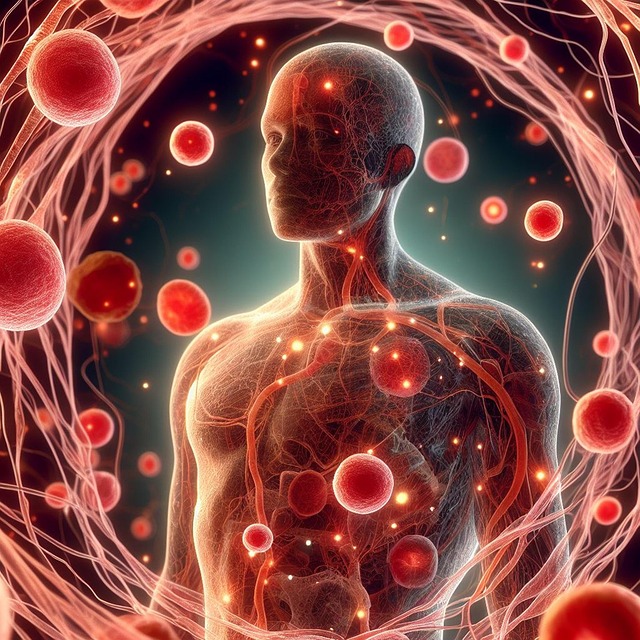
Similarly, tai chi qigong also activates the parasympathetic nervous system, inducing relaxation and reducing stress, helping regulate hormonal production for organ health. Also, yogic breathing enhances oxygen intake for cellular function and improves lung capacity.
For instance, specific movements and intentions target individual organs. For example, the Six Healing Sounds practice employs distinct sounds and movements for particular organs.
Reducing Stress and Tension
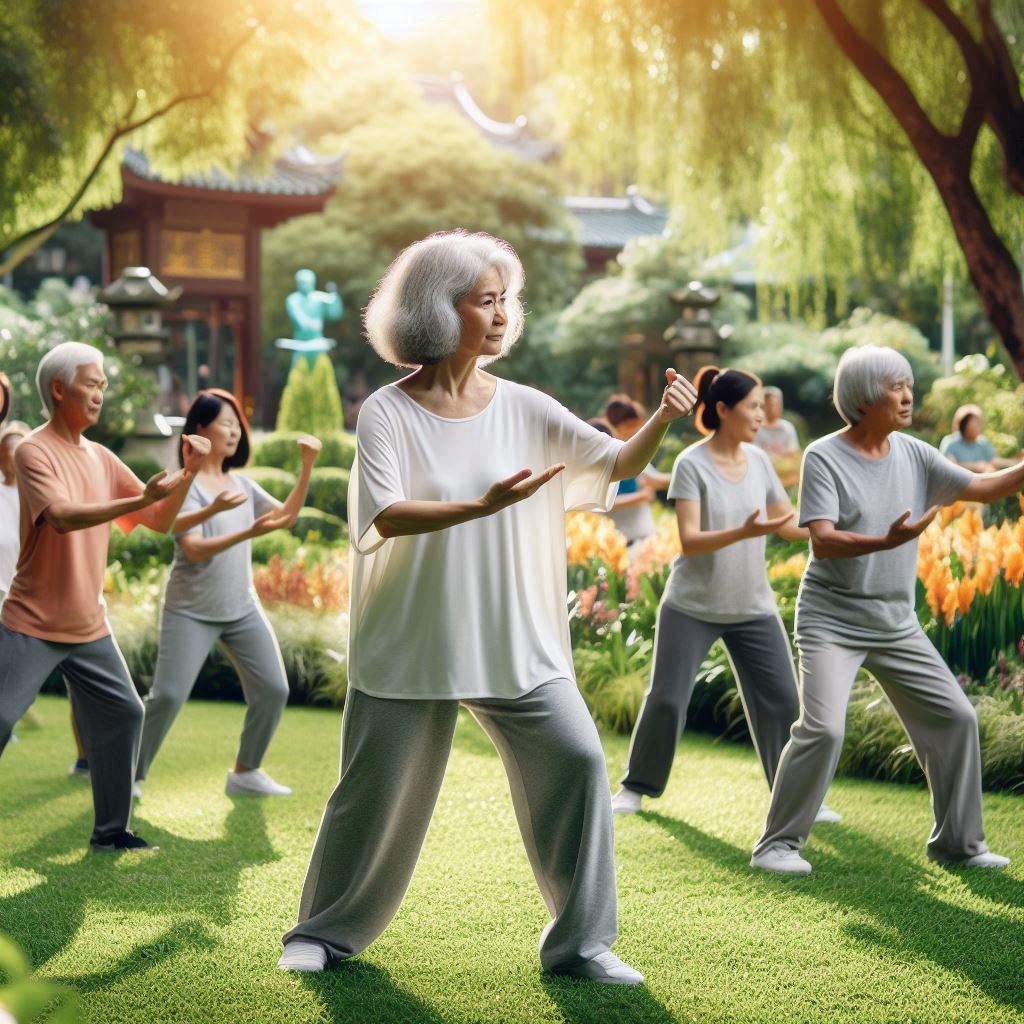
Tai Chi Qigong offers unique advantages through a strong mind-body connection. It activates the parasympathetic nervous system, releases muscle tension, and improves breathing through moving meditation.
The practice is low-impact and suitable for all ages. It emphasizes relaxation and inner peace while taking a holistic approach to health. Furthermore, it requires minimal equipment or space and complements other health practices.
Improving Circulation
The gentle, rhythmic movements enhance blood flow by relaxing muscles and reducing tension, which dilates blood vessels. Specifically, movement of the limbs stimulates circulation in the extremities. This is particularly beneficial for those with poor peripheral circulation. Additionally, these movements also assist venous return, preventing blood pooling in the legs.
Moreover, deep diaphragmatic breathing increases oxygen intake to nourish tissues and organs while regulating heart rate and blood pressure. Finally, the focused intention (yi) helps reduce stress and vascular constriction, allowing blood vessels to dilate for improved circulation.
Flowing Toward Harmony
In conclusion, tai chi qigong works by combining movement, yogic breathing, and mindfulness to cultivate and balance chi, enhancing meridian and organ function. While science continues exploring these mechanisms, many people experience significant health benefits from regular practice.
If you enjoy my blogs, stay updated with my posts and sign up for my upcoming Healthful Qigong e-courses. Experience for yourself how tai chi qigong can transform your life, one breath, one movement at a time.
You might be interested in:
- What is Chi?
- Aligning with TCM — Post 1 How Tai Chi Qigong Aligns with TCM: Promoting Chi Circulation
- Aligning with TCM — Post 2 Tai Chi Qigong: Balancing Yin and Yang
- Aligning with TCM — Post 3 Unveiling the Five Elements: How Tai Chi Qigong Embodies TCM Principles
- Aligning with TCM — Post 5 Wei Chi: Strengthening Defence Through Tai Chi Qigong
- Aligning with TCM — Post 6a How Tai Chi Qigong Reduces Stress & Regulates Emotions Part 1
- Aligning with TCM — Post 6b How Tai Chi Qigong Reduces Stress & Regulates Emotions Part 2
- Aligning with TCM — Post 6c How Tai Chi Qigong Reduces Stress & Regulates Emotions Part 3
- What Is Chi? One Breath, One Movement Revisited