Mindfulness & Meditation — Post 3
Explore how tai chi qigong meditation and mindfulness boost concentration and mental clarity, reduce stress and support emotional well being.
Previously, I explored the physical benefits of tai chi qigong. Gentle, flowing movements improve balance, ease chronic pain, regulate the nervous system, and support restorative sleep. These tangible outcomes make the practice accessible to people of all ages and abilities. They offer a sustainable path to physical well‑being.
Now let us turn to the mental and emotional dimensions of tai chi qigong. Just as the body finds relief in mindful movement, the mind and spirit discover clarity, calm, and resilience. Through the integration of breath, posture, and awareness of chi, this practice becomes a moving meditation. It nurtures inner peace and emotional stability.
Cultivating Mental & Emotional Resilience
For those navigating stress, distraction, or emotional strain, the mental and emotional benefits of tai chi qigong appear quickly. They can be just as transformative as the physical ones. Gentle movement, mindful breathing, and awareness of chi create a practice that restores calm and clarity. They also support balance in everyday life.
When we look at the mind’s response to tai chi qigong meditation, we see changes that are both subtle and profound. Thus, each breath and each mindful gesture contributes to emotional stability. Consequently, these benefits show up in daily living, from how clearly you think to how calmly you respond.
Key Mental & Emotional Benefits
Here are some of the more important mental and emotional advantages practitioners experience:
- Stress reduction and calm — Gentle, rhythmic movements with deep diaphragmatic breathing activate the parasympathetic nervous system. They lower cortisol and promote a profound sense of calm that carries into daily life.
- Enhanced mental clarity and focus — By focusing on movement, breath, and internal chi, the practice trains the mind to remain present. It sharpens concentration, strengthens memory, and supports cognitive function. It becomes meditation in motion for the brain.
- Emotional balance and resilience — tai chi qigong cultivates awareness of emotions without overwhelm. It offers tools to release tension, process feelings, and nurture inner peace. These skills build resilience in the face of life’s challenges.
- Reduced anxiety and depression — The calming rhythm of practice regulates the nervous system and restores internal balance. It alleviates symptoms of anxiety and depression and fosters a more positive outlook.
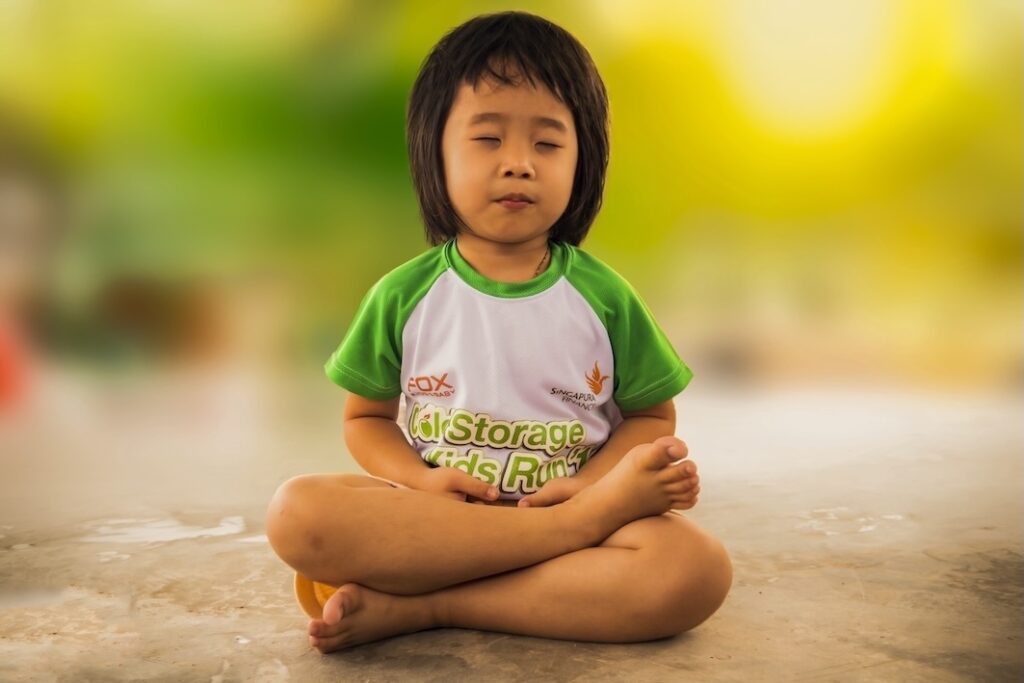
- Improved self‑awareness and connection — Each session deepens the connection to body, mind, and spirit. It encourages self‑understanding, personal growth, and a stronger sense of wholeness.
- Mindfulness in motion — Unlike seated meditation, tai chi qigong integrates awareness into movement. It turns every gesture into meditation and reinforces clarity throughout daily life.
- Self‑compassion and acceptance — Gentle breathing and mindful repetition create space for kindness toward oneself. They nurture emotional healing and resilience.
- Inner calm beyond practice — The tranquility cultivated during sessions extends into everyday life. It helps practitioners meet the demands of a busy world with steadiness and grace.
Scientific Support
Overall, these mental and emotional advantages appear in practice. A growing body of scientific evidence confirms them. Researchers have also examined tai chi qigong meditation in both moving and still forms.
Their findings consistently highlight reductions in stress, improvements in mood, and greater emotional resilience. Whether through mindful posture and movement or seated stillness with breath awareness, both approaches nurture clarity and calm. The evidence shows that they also support psychological well‑being.
- Reduced anxiety & depression: A meta‑analysis of clinical trials found that tai chi qigong significantly reduced symptoms of anxiety and depression, confirming their role as effective mind‑body practices (Yeung et al., Focus, 2018).
- Stress relief & emotional regulation (still forms): Seated qigong and breath meditation trials demonstrate reduced stress and improved emotional balance (Chow et al., 2011; Goyal et al., 2014).
- Support for mental illness recovery (combined forms):: A recent meta‑analysis concluded that tai chi qigong improved psychiatric symptoms and emotional balance among individuals with mental illness, making them valuable non‑pharmacological interventions (Park et al., Ann Behav Med, 2025).
Personal Experience
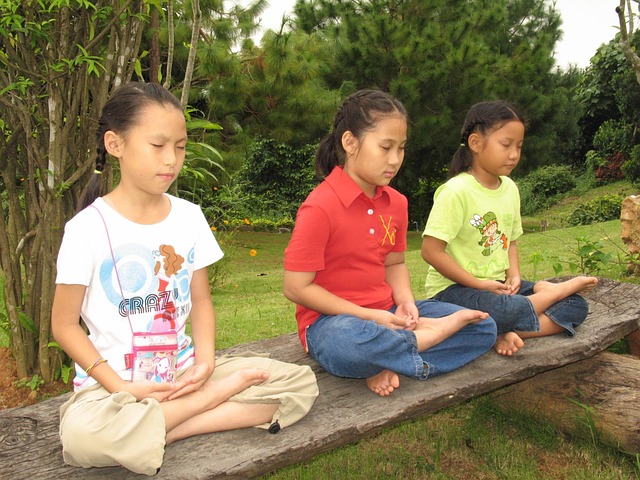
The growing number of studies on mental and emotional benefits now appears in everyday settings. In Canada, for example, elementary schools have begun incorporating short meditation sessions before classes. The results are striking.
Students concentrate more effectively on their studies, show greater attentiveness, and are less distracted. These sessions reduce hyperactivity and misbehavior. Classrooms feel calmer, and overall stress levels decline.
On a personal level, I have found that Tai Chi Qigong practice heightens my ability to concentrate. Interestingly, people often describe me as having a ‘one‑track mind.’
I recognize this in the way I lose track of time when I am fully immersed in a task. Hours may pass while I remain completely focused.
I feel no pull toward procrastination or distraction. For me, multitasking does not exist. I am at my best when I concentrate on a single task. Tai chi qigong reinforces that strength by cultivating clarity and sustained attention.
Finding Calm in Motion and Stillness
Ultimately, tai chi qigong meditation shows that resilience is not only physical. It is also mental and emotional. Indeed, research confirms what practice reveals.
Stress softens, focus sharpens, and emotional balance deepens when breath and movement come into harmony. My own experience echoes this truth — concentration heightens, distractions fade, and immersion in the present moment becomes effortless.
Over time, what begins as a simple act of mindful breathing or gentle movement grows into a lifelong resource. It supports clarity and peace. Finally, each session reminds us that progress is not measured in leaps but in steady rhythm. One breath and one movement at a time creates a cadence that carries beyond practice into daily life.
In the meantime, stay connected as this series unfolds. Next, we’ll explore how tai chi qigong meditation supports spiritual growth and deeper self‑connection, extending the benefits beyond body and mind into a sense of wholeness.
To deepen your practice, you can also join my e‑courses, designed to guide you step by step into meditation both in stillness and in motion for lasting health.
You might be interested in:
- Mindfulness & Meditation — Post 1 Mindfulness & Chi Through Tai Chi Qigong Meditation
- Mindfulness & Meditation — Post 2 Physical Benefits of Tai Chi Qigong Mindful Meditation
- Mindfulness & Meditation — Post 4 Cognitive Benefits of Tai Chi Qigong Mindful Meditation
- Mindfulness & Meditation — Post 5 Benefits of Energy Regulation and Breath in Tai Chi Qigong
- Mindfulness & Meditation — Post 6 Spiritual Growth Through Tai Chi Qigong Meditation
- Mindfulness & Meditation — Post 7 How Internal Listening Builds Sensory Awareness
- Mindfulness & Meditation — Post 8 Everyday Mindful Movement with Tai Chi Qigong
- Mindfulness & Meditation — Post 9 Moving vs. Quiescent Meditation in Tai Chi Qigong
- Mindfulness & Meditation — Post 10 Tai Chi Qigong Postures for Mindful Meditation
- Mindfulness & Meditation — Post 11 Tai Chi Qigong Mindful Meditation for Every Body
- Mindfulness & Meditation — Post 12 Tai Chi Qigong Tools for Mindful Meditation
- Mindfulness & Meditation — Post 13 Yi, Wuwei, & Wuji in Tai Chi Qigong Mindful Meditation