Mindfulness & Meditation — Post 2
Tai chi qigong mindfulness blends motion & stillness to ease pain, build posture, boost energy, support immunity, circulation & overall wellbeing.
In our last post, we explored the difference between meditation and mindfulness, and how tai chi qigong uniquely unites both. Now, let’s take the next step: looking at the physical benefits that arise when movement, breath, and intention come together.
Tai chi qigong meditation is more than graceful motion or quiet stillness. It is a practice that cultivates chi, the lifeforce energy that animates all living things. Through slow, mindful movements and moments of stillness joined with deep breathing, this practice clears blockages. It strengthens the body and promotes vitality.
Cultivating Physical Resilience
For those living with stiffness, fatigue, or chronic pain, the physical benefits of tai chi qigong appear quickly. They are often the most immediate and noticeable changes. From improved balance and posture to enhanced flexibility and circulation, these gentle yet powerful exercises create a pathway to resilience. They also support renewed strength.
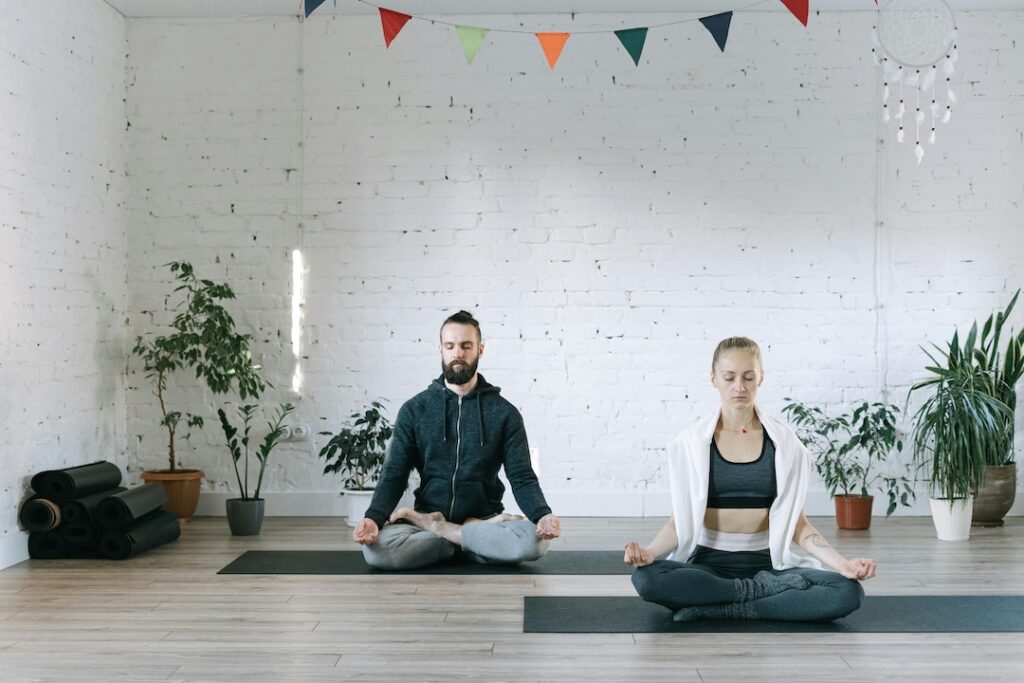
When we look at the body’s response to tai chi qigong meditation, the changes are both subtle and profound. Each breath and each mindful movement contributes to resilience. These benefits show up in everyday life, from how easily you move to how deeply you breathe. Here are some of the more important physical advantages practitioners experience:
- Improved energy flow (chi) — Movements and breathing clear blockages and promote smooth chi flow throughout the body. This leads to increased vitality and a sense of being recharged.
- Enhanced flexibility & range of motion — Slow, fluid movements gently stretch muscles and lubricate joints, reducing stiffness.
- Increased balance & coordination — Mindful posture and movement improve proprioception, lowering fall risk.
- Better posture — Conscious attention to alignment strengthens spinal health and reduces strain.
- Better Sleep Quality — By reducing stress and calming the mind, mindful qigong meditation improves sleep patterns. It becomes easier to fall asleep and experience more restorative rest.
- Supports respiratory health — Deep diaphragmatic breathing strengthens respiratory muscles and improves lung capacity.
- Improved circulation — Gentle movement and breath stimulate blood flow, supporting cardiovascular health.
- Pain management — Gentle for those living with chronic pain, reducing inflammation, easing tension, and supporting healing.
- Stronger immune system — Stress reduction and overall well‑being boost the body’s natural immune response.
What the Research Shows
These physical advantages aren’t just felt in practice — they’re confirmed by a growing body of scientific evidence.
Researchers have examined tai chi qigong meditation in both moving and still forms. Their findings consistently highlight improvements in balance, pain management, circulation, immune function, and mental clarity. Whether through mindful posture and movement or seated stillness with breath awareness, both approaches nurture resilience and health. The evidence supports this clearly.
- Balance & fall prevention — Community‑dwelling older adults who practiced cai chi showed significant improvements in balance and mobility. They also experienced reduced fall risk compared to controls (Ory et al., Front Public Health, 2015).
- Pain management & circulation — Reviews of randomized controlled trials show that tai chi qigong reduce chronic pain, including fibromyalgia and osteoarthritis. They also improve cardiovascular markers such as blood pressure and vascular function (Jahnke et al., American Journal of Health Promotion, 2010).
- Immune function & vitality — A systematic review and meta‑analysis found that tai chi qigong enhance immune responses and reduce stress. They also improve sleep and mood regulation (Oh et al., Medicines, 2020).
A First Encounter with Stillness
Beyond the evidence, my own journey with meditation began much earlier. When I was about twelve years old, I had no formal training. I simply sat cross‑legged on my bed at night when the house was quiet.
I wanted to discover what it felt like to sit in stillness, to be fully present and aware. From the silence emerged subtle sounds — distant traffic, crickets, and the whisper of a breeze. A calm entered me, and I felt deeply at peace.
From then on, I made a habit of closing my eyes and sitting in stillness for fifteen to twenty minutes. Sometimes I lost track of time, absorbed in the quiet.
The physical benefits surprised me: I developed excellent posture, experienced no back pain, and enjoyed flexibility and ease of movement. I slept soundly and seldom fell ill during those years.
That simple practice became my first true experience of meditation and mindfulness. It laid the foundation for a lifelong journey of awareness and health.
Bringing It Together
Meditation and mindfulness through tai chi qigong are expressed both in motion and in stillness. Together they bring tangible physical benefits — from improved balance and circulation to stronger immunity and pain relief. These outcomes are felt directly in practice and confirmed by both scientific research and lived experience.
What begins as a simple practice of sitting quietly or moving with awareness becomes a lifelong resource. It supports resilience, vitality, and peace.
Practical Takeaway
“One breath, one movement at a time.” This motto captures the essence of tai chi qigong meditation: mindfulness expressed through motion and stillness.
Stay connected as this series unfolds. Next, we will explore how tai chi qigong meditation supports mental and emotional wellbeing. It eases stress, sharpens focus, and fosters calm resilience.
To deepen your practice, you can also join my e‑courses. They guide you step by step into meditation both in stillness and in motion for lasting health.

You might be interested in:
- Mindfulness & Meditation — Post 1 Mindfulness & Chi Through Tai Chi Qigong Meditation
- Mindfulness & Meditation — Post 3 Mental and Emotional Benefits of Tai Chi Qigong Meditation
- Mindfulness & Meditation — Post 4 Cognitive Benefits of Tai Chi Qigong Mindful Meditation
- Mindfulness & Meditation — Post 5 Benefits of Energy Regulation and Breath in Tai Chi Qigong
- Mindfulness & Meditation — Post 6 Spiritual Growth Through Tai Chi Qigong Meditation
- Mindfulness & Meditation — Post 7 How Internal Listening Builds Sensory Awareness
- Mindfulness & Meditation — Post 8 Everyday Mindful Movement with Tai Chi Qigong
- Mindfulness & Meditation — Post 9 Moving vs. Quiescent Meditation in Tai Chi Qigong
- Mindfulness & Meditation — Post 10 Tai Chi Qigong Postures for Mindful Meditation
- Mindfulness & Meditation — Post 11 Tai Chi Qigong Mindful Meditation for Every Body
- Mindfulness & Meditation — Post 12 Tai Chi Qigong Tools for Mindful Meditation
- Mindfulness & Meditation — Post 13 Yi, Wuwei, & Wuji in Tai Chi Qigong Mindful Meditation
- Wild Goose Qigong for Heart Health