Dantian Series — Post 3
Explore the three dantian energy centers — ancient Taoist wisdom now supported by science for cultivating vitality, emotional balance, and mental clarity.
In my last blog, I explored the historical development of the Dantian, tracing its evolution from Traditional Chinese Medicine (TCM) principles, Taoist practices, and martial arts. Now, let’s examine these vital energy centers through the lens of modern science.
Although Western medicine doesn’t recognize the Dantian as distinct anatomical structures, researchers have begun exploring fascinating correlations between these traditional energy centers and established physiological systems.
The Upper Dantian and the Pineal Gland
Traditionally, the Upper Dantian, positioned at the center of the forehead, has traditionally been associated with higher consciousness and spirituality. Interestingly, modern researchers have noted potential connections to the pineal gland, a small but remarkable endocrine gland nestled deep within the brain.
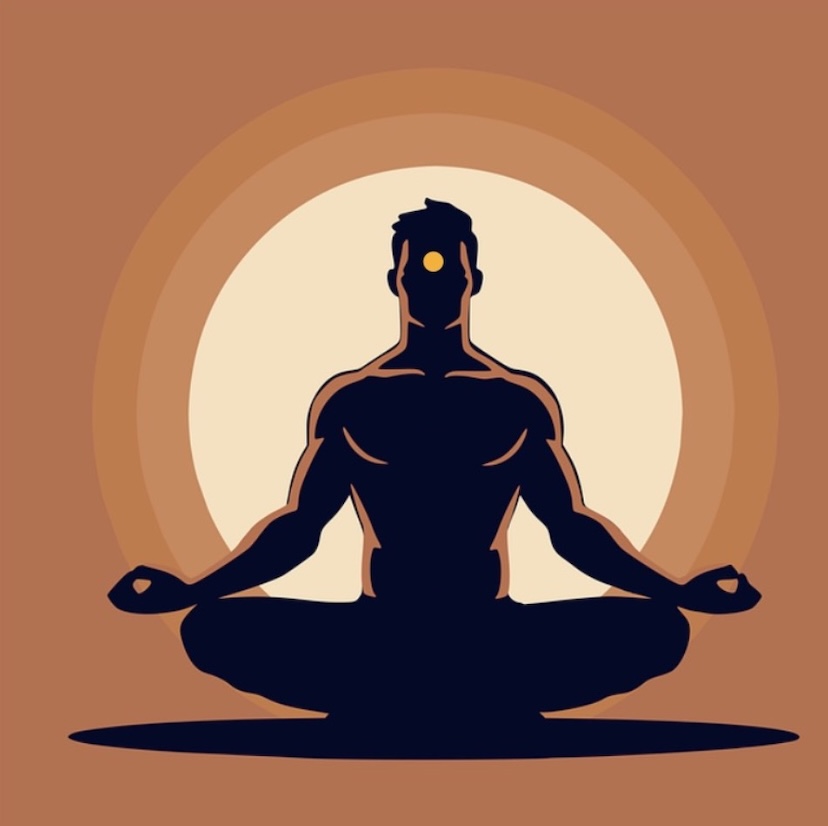
Physiologically, this light-sensitive gland orchestrates our circadian rhythms through melatonin production. In fact, this sensitivity to light and darkness parallels the symbolic role of the Upper Dantian as our “third eye”—a gateway to heightened awareness and perception beyond the physical realm.
Historically, ancient practitioners viewed the Upper Dantian as the seat of wisdom and clarity, where spiritual chi could be cultivated through meditation. However, while science hasn’t validated these metaphysical aspects, research confirms that meditation practices targeting this region can:
- Enhance cognitive function
- Improve mental clarity
- Reduce stress
These effects may indirectly support healthy pineal gland function through their influence on neural pathways and stress hormone regulation.
The Middle Dantian and the Thymus Gland
Similarly, located in the chest region near the heart, the Middle Dantian serves as the center for emotional balance and compassion in traditional practice. This position aligns with the thymus gland, a crucial component of both the endocrine and immune systems.
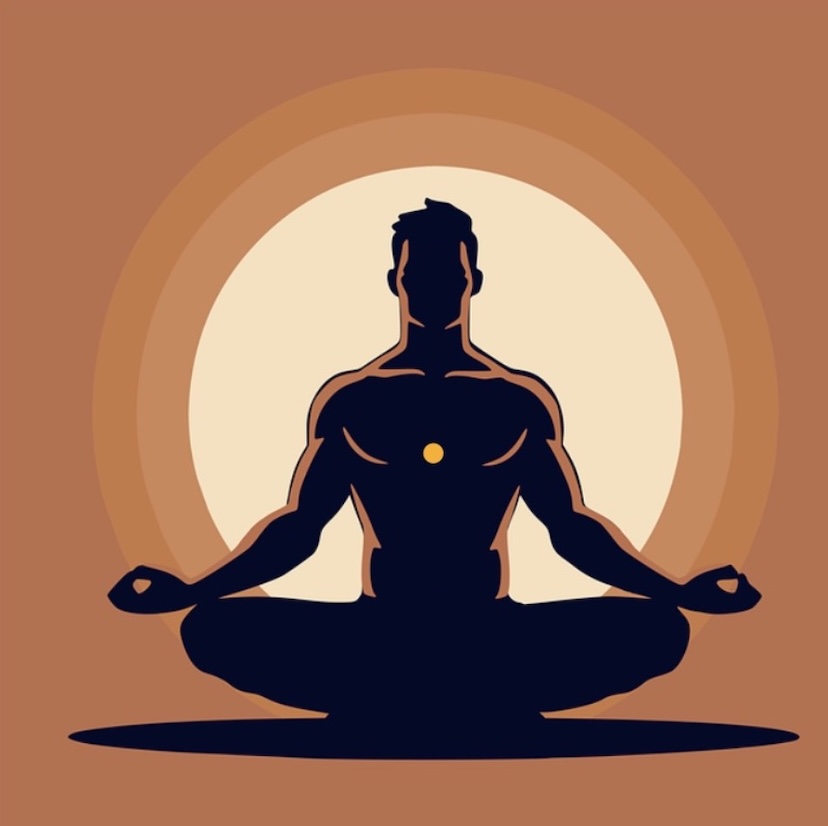
Biologically, the thymus plays a fundamental role in immune function by producing T-cells, which defend the body against pathogens. Of particular note, research suggests that emotional states may influence its function—stress can suppress immune activity, while positive emotions may support it.
Consequently, the Middle Dantian’s traditional association with emotional regulation mirrors this physiological reality. Practices like qigong and heart-centered meditation that target this area cultivate compassion and emotional resilience. Studies confirm that mindfulness and breathwork focused on the chest region can:
- Improve heart rate variability
- Reduce stress
- Enhance emotional well-being
The Lower Dantian and Abdominal Nerve Plexuses
Of all three centers, perhaps most physiologically significant is the Lower Dantian, traditionally located about three finger-widths below the navel. This center of physical vitality and foundational chi corresponds anatomically to several important structures, including the enteric nervous system (often called our “second brain”) and the abdominal nerve plexuses.
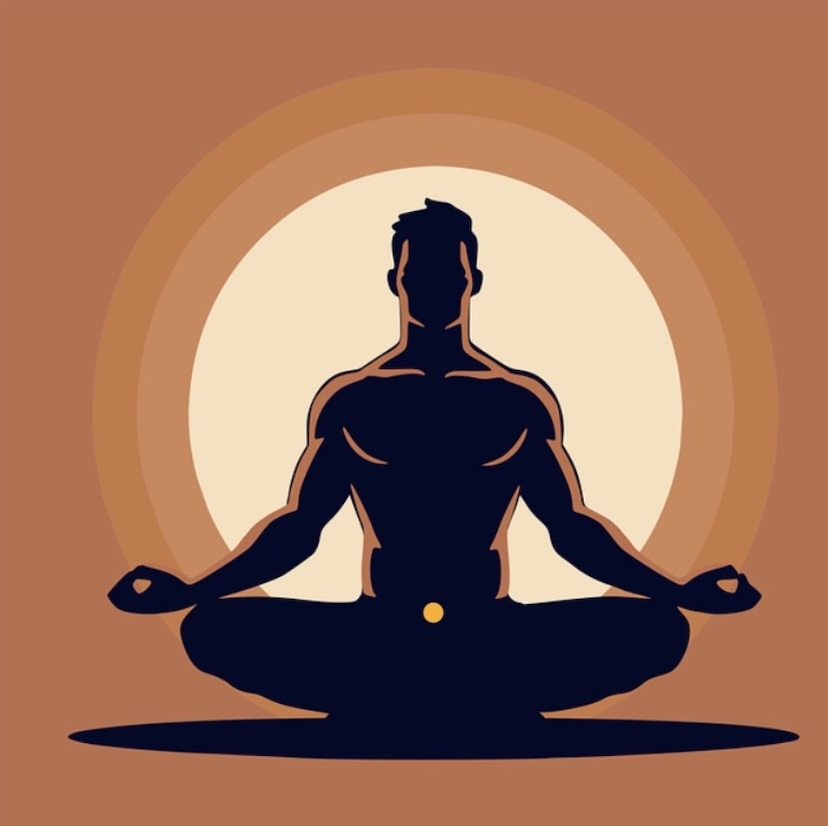
Functionally, these complex nerve networks form an integral part of the autonomic nervous system, which regulates unconscious bodily functions. Key plexuses include:
- The Celiac Plexus (Solar Plexus): Governs digestive processes
- Superior Mesenteric Plexus: Supplies nerves to portions of the small intestine
- Inferior Mesenteric Plexus: Controls the descending and sigmoid colon
- Hypogastric Plexus: Supplies the pelvic organs with nerves
Of important note, this region houses both sympathetic (“fight-or-flight”) and parasympathetic (“rest-and-digest”) nerve fibers. Hence, the Lower Dantian’s location near these vital plexuses—particularly the celiac plexus—may explain why traditional practices recognize this area as our body’s energetic foundation.
Scientific Validation and Western Perspective
Even though empirical evidence hasn’t conclusively validated the existence of Dantian as discrete energy centers, research continues to explore related practices:
For example, dantian breathing techniques, similar to diaphragmatic breathing, have demonstrated significant benefits for stress reduction, improved autonomic nervous system function, and enhanced respiratory efficiency. Studies on tai chi qigong consistently show improvements in balance, flexibility, cardiovascular health, and mental well-being.
Overall, western medicine generally views the Dantian through a cultural and philosophical lens rather than as literal anatomical structures. Nevertheless, it increasingly acknowledges that practices focused on these centers produce measurable health benefits.
Bridging Two Worlds
Ultimately, the intersection of Eastern energy concepts and Western scientific understanding offers a rich territory for exploration. Rather than dismissing traditional practices as merely philosophical, forward-thinking researchers are investigating the physiological mechanisms that might explain their effectiveness.
In essence, this integrative approach honors both the wisdom of ancient traditions and the rigor of scientific inquiry. By exploring the Dantian through both lenses, we gain a more complete understanding of how these practices support whole-person health and wellness.
Experience the Benefits Yourself
Curious about how working with the Dantian could enhance your own health and wellbeing? The ancient wisdom of tai chi qigong is a practical path to greater vitality, emotional balance, and mental clarity that you can experience firsthand.
Meanwhile, stay updated with the Healthful Qigong blog, where I share insights bridging Eastern wisdom with Western understanding. And you can embark on a transformative journey, through tai chi qigong practices to activate and balance your Dantian centers.
Finally, connect with your body’s innate wisdom through my carefully crafted Healthful Qigong e-courses. Experience the profound benefits of these time-tested practices for yourself — one breath, one movement at a time. Sign up today and begin your journey toward integrated wellness that honors both ancient traditions and modern understanding.
You might be interested in:
- Dantian Series — Post 1 Understanding Dantian, The Energy Core of Tai Chi Qigong
- Dantian Series — Post 2 Historical Roots of Dantian in Tai Chi Qigong
- Dantian Series — Post 4 Foundations of Energy: Dantian and Chakras
- Dantian Series — Post 5 Dantian vs. Lataif, Kundalini, & Sephirot Energy Centers
- Dantian Series — Post 6 Dantian vs. Indigenous Traditions & Modern Science
- Dantian Breathing Abridged Edition
- Complete Dantian Breathing Course