Dampness Series: Post 2
Learn how Spleen deficiency creates Dampness, heaviness, and foggy thinking—and how tai chi qigong helps your body feel clearer and more balanced.
Dampness often feels confusing at first. Yet once you understand the Spleen’s role, everything becomes clearer. This organ shapes how light, steady, and comfortable your body feels each day.
In traditional Chinese medicine, the Spleen transforms food and fluids into usable vitality. When it works well, your body feels bright and balanced. However, when it grows weak, Dampness begins to form. As a result, you may feel heavy, foggy, or swollen.
This post explains how Spleen weakness creates Dampness. It also shows why tai chi qigong supports your center and protects your chi. Step by step, you will see how small changes help your body feel lighter and more resilient.
What the Spleen Does in TCM
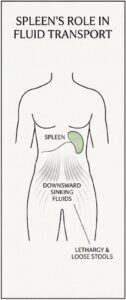
In traditional Chinese medicine, the Spleen is the center of transformation. It turns food and fluids into usable vitality. Because of this role, it strongly influences how light and steady your body feels each day.
A healthy Spleen lifts clear energy upward. This upward movement keeps your mind bright and your limbs comfortable. It also prevents Dampness from settling. When the Spleen works well, your body feels balanced, warm, and supported.
The Spleen also manages fluid movement. It keeps moisture circulating instead of pooling. As a result, your body stays clear and comfortable. When this process slows, fluids begin to collect. Over time, they thicken and create Dampness.
This is why the Spleen matters. It protects your chi, supports digestion, and keeps your center strong. When it weakens, Dampness forms easily and spreads quickly. Understanding this role helps you see why small habits make such a big difference.
How Spleen Weakness Begins
Spleen weakness rarely appears all at once. Instead, it develops slowly. Small habits begin to drain your center. Over time, these habits create a pattern that feels heavy and hard to shake.
It’s not unlike the straw that broke the camel’s back. Each small strain adds up. Eventually, the Spleen can no longer keep fluids moving with ease. When this happens, Dampness forms quickly and settles deeply.
Worry is one of the biggest triggers. Constant thinking pulls energy downward. As a result, your center loses strength. When this continues, your body struggles to transform food and fluids with ease.
Cold or raw foods also weaken the Spleen. They slow digestion and reduce warmth in the center. Because of this, fluids begin to collect. Later, they thicken and form Dampness.
Irregular meals add another layer. When you skip meals or eat at inconsistent times, your Spleen works harder. This extra strain reduces vitality. It also makes your body feel sluggish after eating.
Finally, lack of movement plays a role. Without gentle circulation, fluids stagnate. This stagnation creates heaviness in the limbs. It also makes Dampness easier to form and harder to clear.
These small factors build quietly. Yet together, they weaken the Spleen and set the stage for Dampness. Understanding them helps you make simple changes that support your center each day.
Why Weak Spleen → Dampness
Once the Spleen grows weak, its ability to transform fluids slows down. As a result, moisture begins to collect. At first, this buildup feels mild. However, it grows heavier over time. Because of this, Dampness forms easily and settles deeply.
A weak Spleen also struggles to lift clear vitality. This upward movement keeps your body light and steady. When it falters, heaviness rises instead. Foggy thinking appears. Your limbs may feel swollen or slow. Each sign reflects Dampness moving through the body.
It works much like a kitchen sponge that cannot wring out fully. When the Spleen loses strength, fluids stay inside the system. They thicken. They linger. Later, they settle in places where they do not belong. This sticky residue becomes Dampness.
Once this pattern forms, it spreads quickly. It may settle in the digestion, the joints, or the skin. Each area reacts in its own way. Yet the core influence stays the same. Dampness adds weight and disrupts balance.
This process explains why Dampness feels stubborn. Without strong Spleen support, fluids cannot move with ease. They gather, thicken, and linger. Understanding this link helps you see why gentle, daily support makes such a difference.
Common Signs of Spleen Deficiency
Spleen deficiency shows up in many simple, everyday ways. At first, these signs seem unrelated. However, they share one root. Each one reflects slow transformation and rising Dampness.
Fatigue
Fatigue is one of the most common signs. You may feel tired in the morning. You may also feel tired after eating. This pattern appears because the Spleen struggles to lift clear vitality. As a result, your body feels heavy instead of bright.
Digestive Issues
Digestive changes appear as well. Bloating becomes frequent. Loose stools may show up. You might feel full even after small meals. These signs show that fluids are not transforming with ease. Later, they begin to collect.
Skin Conditions
Skin conditions often appear when Dampness rises. Eczema may flare during humid weather. Acne becomes more stubborn. Rosacea may feel warm or inflamed. These patterns reflect Dampness and heat mixing at the surface. They also show that the Spleen needs support.
Hair
Greasy hair is another clue. When fluids fail to transform, they move upward. This movement creates oiliness on the scalp. It also makes the skin feel damp or shiny. Each sign reflects moisture rising instead of staying balanced.
Mental Clarity
Foggy thinking is another clue. When Dampness rises, clarity drops. You may feel mentally slow or unfocused. This fog reflects moisture moving upward instead of staying balanced.
Overall Energy
Heaviness in the limbs is also common. Your arms or legs may feel swollen or puffy. This heaviness appears because fluids stagnate. Without strong Spleen support, they cannot move with ease.
Emotional signs matter too. Worry and rumination drain your center. They weaken your vitality. Over time, this cycle makes Dampness easier to form and harder to clear.
These signs may seem small. Yet together, they reveal a pattern. They show that the Spleen needs gentle support. Understanding them helps you notice changes early and respond with care.
How Spleen Weakness Makes Dampness Feel Worse
Once Dampness forms, a weak Spleen struggles even more. This creates a cycle that feels heavy and stubborn. Each part of the cycle adds weight to the next. As a result, Dampness grows stronger and spreads easily.
Slow transformation is the first issue. When the Spleen cannot process fluids, they collect. Later, they thicken. This thickening makes Dampness heavier. It also makes your body feel swollen or puffy. Each day feels a little slower.
Weak lifting is the second issue. The Spleen normally lifts clear vitality upward. When this movement falters, Dampness rises instead. Foggy thinking appears. Your head may feel full or cloudy. This rising Dampness affects clarity and focus.
Stagnation adds another layer. Without strong Spleen support, fluids stop moving. They settle in the limbs. Fluids gather in the joints. They may even reach the skin. Body odour becomes a problem. Because of this, swelling, stiffness, and flare‑ups become more common.
Emotions play a role as well. Worry drains your center. It weakens your vitality. Over time, this emotional strain makes Dampness feel heavier. It also makes the cycle harder to break.
All of these factors connect. Weak Spleen function creates Dampness. Dampness then weakens the Spleen even more. This loop explains why symptoms feel persistent. It also shows why gentle, daily support helps the body feel lighter and more balanced.
How Tai Chi Qigong Strengthens the Spleen
Tai chi qigong offers steady support for the Spleen. Each slow movement warms the center. This warmth helps your body transform fluids with ease. As a result, Dampness has fewer places to settle.
Gentle circulation is another key benefit. When you move slowly, vitality rises and settles in a balanced way. This balanced flow protects your chi. It also keeps fluids moving instead of pooling. Because of this, your body feels lighter and more comfortable.
Calm breath adds a deeper layer. When your breath slows, your mind quiets. This calmness matters. Worry weakens the Spleen. A quiet mind strengthens it. Over time, this calm rhythm helps your center feel steady and supported.
Upright posture plays a role as well. Tai chi qigong encourages soft alignment. This alignment helps the Spleen lift clear vitality upward. As a result, clarity improves. Heaviness drops. Your body feels more stable each day.
These gentle benefits work together. They help your center rebuild strength. They also reduce the heavy influence of Dampness. With regular practice, your body learns to stay clear, warm, and balanced.
The Next Step to Your Journey
Understanding Spleen weakness is an important step. It shows you why Dampness forms and why it feels so stubborn. It also helps you see how small habits shape your daily comfort. With this clarity, you can support your center with confidence.
Tai chi qigong offers steady help. Each slow movement strengthens your core. Each calm breath protects your chi. Over time, your body feels lighter, clearer, and more balanced. This gentle rhythm guides your wellness from the inside out.
You can stay updated by following each post in this Dampness series. New posts arrive regularly. Each one builds on the last. Together, they guide you toward a lighter and more balanced body.
If you want structured support, my tai chi qigong e‑courses can help. They offer clear lessons, simple routines, and steady guidance. Every practice follows the same soft rhythm: one breath, one movement at a time. This rhythm helps your body rebuild strength without strain.

You might be interested in:
- Dampness Series — Post 1: Understanding TCM Dampness and Its Effects on Wellness
- Dampness Series — Post 3: Recognizing Dampness in Your Body
- Dampness Series — Post 4: Clearing Dampness Naturally
- Dampness Series — Post 5: Daily Damp-Clearing Routine