More Energy & Less Strain: How Breath and Energy Regulation in Tai Chi Qigong
Help You Conserve Vitality while Avoiding Overexertion
Over the past few posts in this series, we have been building a foundation for understanding Tai Chi Qigong. It is a mindfulness‑based practice, not just a movement art. First we began by distinguishing meditation from mindfulness. We then explored the physical, mental, and emotional benefits of mindful meditation. Most recently, we looked at how Tai Chi Qigong supports cognitive clarity.
With that groundwork in place, we now turn to the next essential pillar of practice. Let’s address how breath and energy regulation shape your daily vitality.
In particular, this post focuses on the respiratory and energetic side of Tai Chi Qigong. Efficient breathing, gentle breath‑to‑movement coordination, and mindful pacing help you conserve energy and avoid overexertion. They also help you move through your day with more steadiness and less strain.
Efficient Breathing
Most people breathe just enough to get through the day, but not enough to support real energy or resilience. Shallow chest breathing, unconscious breath‑holding, and rushed inhalations keep the nervous system in a low‑grade stress state. Over time, this drains energy, tightens the body, and makes even simple tasks feel harder.
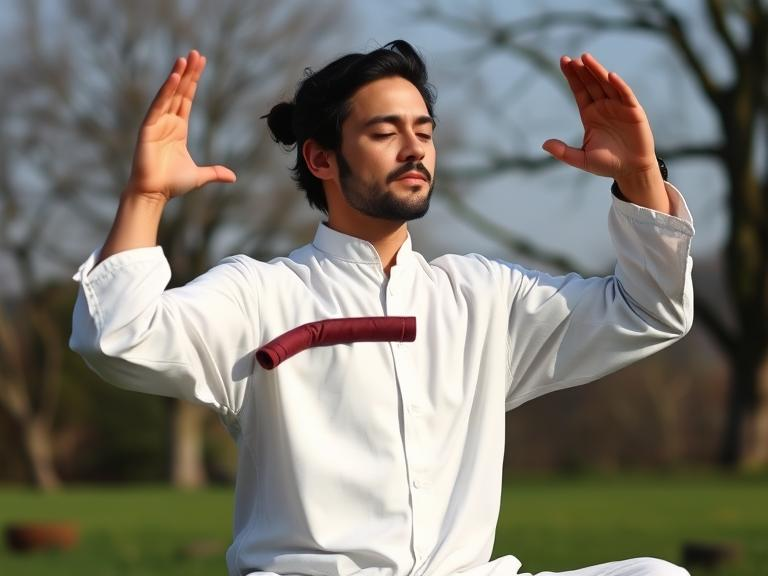
Tai Chi Qigong shifts this pattern by teaching slow, smooth, diaphragmatic breathing. When the breath drops into the belly, the diaphragm works efficiently. The lungs expand with less effort, and the nervous system settles. Eventually, the whole body begins to calm. This improves oxygen exchange, reduces tension, and creates a more stable internal rhythm.
For people living with chronic pain, fatigue, or fluctuating energy levels, efficient breathing becomes more than a technique. On the contrary, it becomes a daily energy‑saving strategy.
Breath & Movement Together
In Tai Chi Qigong, the breath isn’t separate from the movement—it’s the engine that drives it. When breath and movement align, each reinforces the other. The breath sets the rhythm. The movement then shapes the breath. Consequently, the nervous system settles into a calmer and more efficient state.
Most people move in one pattern and breathe in another, creating a subtle mismatch that wastes energy. Coordinating inhale with expansion and exhale with release reverses that. Movements become smoother, more grounded, and less taxing.
For anyone managing chronic conditions, this coordination reduces unnecessary muscular effort. It also prevents breath‑holding. Most importantly, it helps the body stay within a sustainable range of exertion.
Energy Pacing
One of the most powerful—and most overlooked—skills Tai Chi Qigong teaches is how to spend energy wisely. For anyone managing chronic conditions, this coordination reduces unnecessary muscular effort. It also prevents breath‑holding. Most importantly, it helps the body stay within a sustainable range of exertion.
Most of us were taught to push through discomfort and treat rest as something we “earn” only after exhaustion. Tai Chi Qigong flips that script. Through slow movement and steady breathing, you learn to recognize early signs of strain instead of late ones. You begin to sense when your body is working efficiently—and when it’s slipping into energy debt.
Over time, this builds internal “energy literacy.” You learn to predict your limits and adjust your pace. Eventually, you can plan your day in a way that protects long‑term stability.
Why Slow Movement Works
Slow movement isn’t stylistic—it’s physiological. Moving slowly gives the body time to adjust, stabilize, and respond without triggering stress reactions.
On the other hand, fast movement recruits large, energy‑hungry muscles, encourages breath‑holding, and creates sudden spikes in effort.
However, slow movement does the opposite. It engages stabilizing muscles and keeps the breath steady. In turn, it prevents the nervous system from flipping into fight‑or‑flight.
This is why Tai Chi Qigong is so effective for people managing chronic conditions. Slow movement keeps you inside your safe exertion zone. Because of this, you can build strength, mobility, and coordination without triggering crashes or flare‑ups.
Sustainable Daily Energy
Many years ago, during my graduate studies in Ottawa, I supported myself by starting Tai Chi Qigong classes across the city. Those early teaching years shaped my understanding of energy.
That meant long days of running from neighborhood to neighborhood, posting flyers from sunrise until late afternoon. I covered more than 25 miles a day and moved steadily through the city. It felt like one continuous flow. Remarkably, I did not feel tired at the end of the day.
By that point in my life, I had already spent years training intensively in Tai Chi Qigong martial and holistic healing arts. That training shaped how I moved from day to day. My master had drilled into me a way of living where breath, movement, and intention were never separate. So when I needed to work long hours, I didn’t think about “endurance” or “fitness.” I simply applied the same principles I had been taught on the training floor.
As I moved through the city, my breath synchronized with my stride. The rhythm became a kind of jogging meditation—steady, efficient, and deeply familiar. I didn’t need breaks. Nor did I feel depleted. On the contrary, I finished each day with the same clarity and groundedness I began with. It wasn’t a special achievement; it was simply Tai Chi Qigong in action.
Those long days reminded me that energy isn’t just something you possess. It’s something you manage, cultivate, and direct. And when breath, movement, and pacing work together, even demanding days become sustainable.
Your Turn
As you think about your own routines, consider where your breath and energy may be working against you. This reflection can reveal patterns you no longer need.
- Do you tense your body or hold your breath when concentrating?
- Do you push through fatigue because you feel you “should”?
- Do you end the day depleted even when you haven’t done anything “strenuous”?
These patterns are common—especially for people living with chronic pain, stress, or fluctuating energy levels. They’re not character flaws. They’re habits formed over years of coping.
Tai Chi Qigong offers a different way forward. It provides a practical, gentle method to reconnect breath, movement, and pacing. Accordingly, your body can support you more consistently throughout the day.
Bringing It All Together
Breath, movement, and pacing are practical tools you can use every day. They help you protect your energy. Together, they help you move through life with more steadiness and less strain. Hence, whether you are managing chronic conditions or simply trying to navigate your day with more ease, Tai Chi Qigong helps you work with your body. It no longer feels like you are working against it.
After years of intensive training in Tai Chi Qigong martial and holistic healing arts, I gradually learned to move through life with breath, intention, and movement fully integrated. That integration shaped everything I did.
So when I spent long days running across the city posting flyers it wasn’t about endurance or fitness. It was simply Tai Chi Qigong in action. In sum, efficient breathing, coordinated movement, and mindful pacing worked together to sustain my energy hour after hour.
This is the heart of the practice: a mindful, embodied way of living that supports you from the inside out.
If you’d like to stay updated as this series unfolds, keep an eye out for the next post. We will be shifting from breath and energy regulation to another essential aspect of Tai Chi Qigong mindful meditation.
Specifically, we will explore how the practice sharpens sensory awareness and internal listening. It will help you notice tension patterns, recognize early signs of strain, and move through your day with smoother, more grounded transitions.
If you are ready to move beyond reading and begin feeling these benefits, you are welcome to explore my e‑courses. They offer a steady, supported way to begin. They’re designed to help you build sustainable daily energy and reconnect with your body at a pace that respects your limits and supports your growth — one breath, one movement at a time.